
 Published By Jessica
 22nd August 2026
 11:34 AM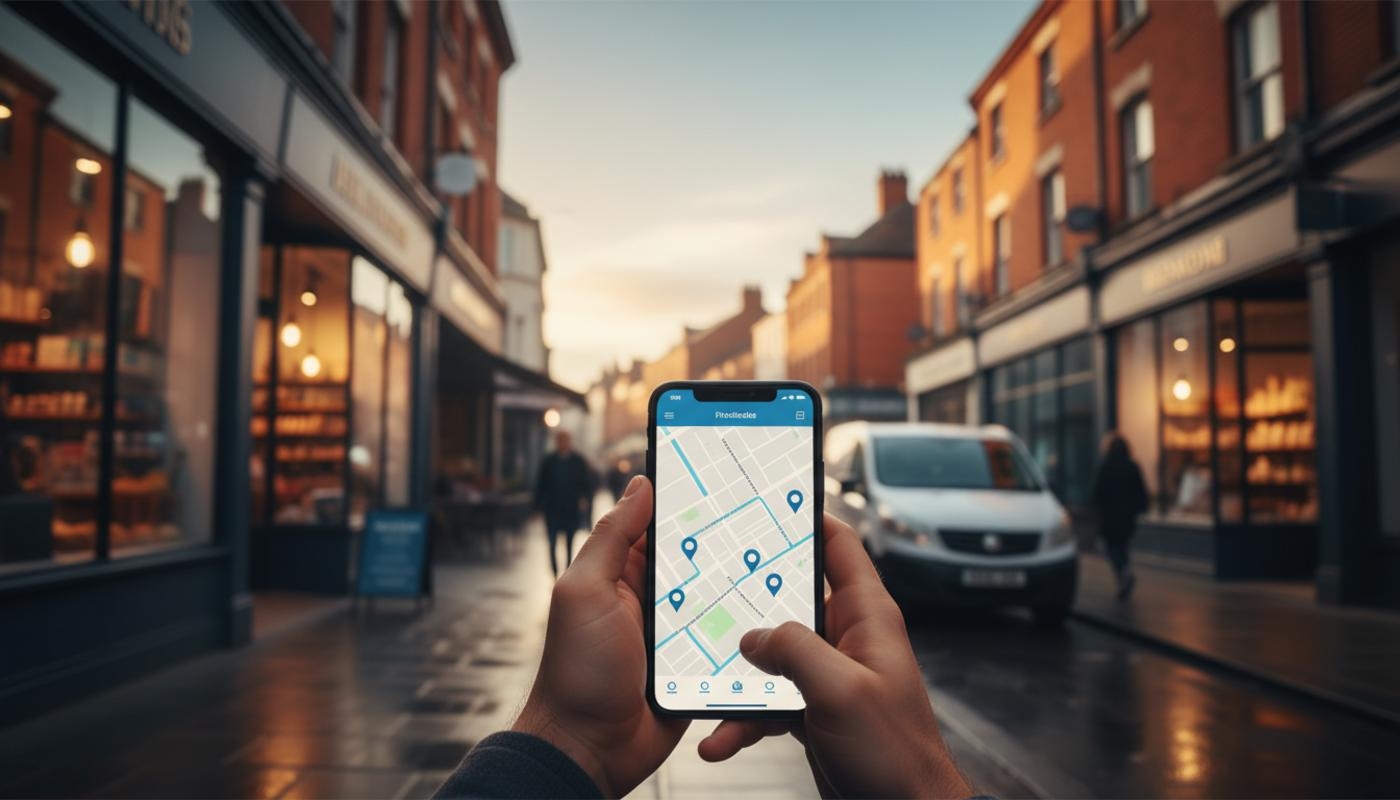
Local Search
Local search is the way people find nearby businesses, services, products, or useful information through search engines and map apps. It includes searches such as "coffee shop near me", "plumber in Manchester", or "accountant Stockport", where the person clearly wants a local result. Most people do not scroll for long when they need something nearby, so the businesses that appear clearly and look trustworthy often win the enquiry.
That is why local search matters for businesses. It connects you with people who are already looking for something close by and are often ready to call, visit, book, or buy. For many UK businesses, it is one of the most practical ways to increase visibility and attract customers with strong intent.
Unlike broad search, local search is shaped by location, relevance, reviews, opening hours, business details, and the strength of your online presence. A national search for "running shoes" may show large retailers and content pages, but a local search for "running shop near me" is more likely to show nearby stores, map results, and business profiles. That makes local search especially important if your business relies on customers in a town, city, county, or specific service area.
C2 Marketing helps businesses improve local visibility through clear, practical strategies across SEO, content, website improvements, and wider digital marketing. As a UK based agency, C2 Marketing focuses on helping businesses appear in the right places when local customers are searching. The aim is not just to increase traffic, but to attract better enquiries, stronger leads, and more meaningful results from people nearby.
Understanding Local Search
Local search happens when a person searches with a location in mind, even if they do not type the location into the search box. A search such as "dentist near me" has obvious local intent, but a search for "best Italian restaurant" can also be treated as local if the person is searching from their phone in a particular area. Search engines use signals such as the user's location, the wording of the query, business data, and online reputation to decide which results are most useful.
The goal is simple. Search engines want to show options that are relevant, nearby, and trustworthy. If your business is not appearing for the searches your customers are making, the problem is often not the quality of your service, but how clearly that quality is shown online.
Local search results can appear in standard search results, Google Maps, and the local map pack. The local map pack is the group of business listings that often appears near the top of the page with a map, star ratings, contact details, and directions. This area is valuable because it gives users quick information before they even visit a website, which can make the difference between being seen first and being missed completely.
How Local Search Works For Businesses
Search engines usually judge local results using three broad ideas: proximity, relevance, and prominence. Proximity means how close the business is to the person searching or to the location mentioned in the query. Relevance means how well the business matches what the person wants, while prominence reflects how well known and trusted the business appears to be through reviews, links, mentions, and consistent listings.
You can influence these signals by keeping your information accurate, building a useful website, collecting genuine reviews, and creating content that clearly explains what you offer in each area you serve. For example, a roofer in Stockport should make it easy for search engines and customers to understand the services offered, the locations covered, and how to get in touch. A restaurant should keep opening hours, menus, images, and booking information current across its profile and website.
These details may seem small, but they matter at the point a customer is ready to act. If someone cannot quickly see whether you are open, where you are based, or how to contact you, they may move on. Local search rewards businesses that make the decision easy, clear, and reassuring.
Why Local Search Matters For Modern Businesses
Local search matters because it captures people at a moment of clear need. Someone searching for "emergency locksmith near me" is not casually browsing for future ideas, and someone searching for "hairdresser open today" is likely to make a decision quickly. These searches are often close to action, which means local visibility can lead directly to phone calls, direction requests, bookings, and visits.
Mobile behaviour has made local search even more important. People now search while walking down the street, sitting in a car, comparing options in a shop, or planning where to go next. Maps, reviews, opening times, and click to call buttons make the search journey shorter than ever, so an incomplete or poorly presented local presence can cost you nearby customers before they reach your website.
Many business owners wonder why another company appears above them on the map, even when they are closer or more experienced. That is a common situation, and it usually comes down to how well the business is understood, trusted, and presented online. Local search improvement gives you a practical way to strengthen those signals and compete more effectively in your area.
Which Businesses Benefit Most From Local Search
Local search benefits any business that serves customers in a specific area, but the impact can look different depending on the business model. Shops, cafes, salons, clinics, gyms, restaurants, and showrooms rely on local search to drive footfall and visibility in nearby areas. Service businesses such as plumbers, electricians, cleaners, tutors, and landscapers use it to reach people within the areas they cover, while professional firms such as solicitors, accountants, estate agents, and consultants can gain valuable local enquiries.
Businesses with several branches can use local search to make each location easier to find and compare. A customer looking for a branch in Manchester does not want to land on a generic national page with no local detail. They want opening hours, parking information, reviews, services, and direct contact details for that location, so strong local pages and accurate listings help each branch perform as a useful local result.
Key Parts Of A Strong Local Search Presence
A strong local search presence starts with accurate business information. Your name, address, phone number, website, services, opening hours, and location details should be consistent wherever your business appears online. If search engines find different versions of your details across directories, social profiles, and your website, they may have less confidence in showing your business.
This is also about customer trust. People notice inconsistent information too, especially when they are comparing several businesses at once. If your opening hours are wrong or your phone number does not match, it creates doubt at the exact moment you want someone to feel confident enough to contact you.
Your Google Business Profile is a major part of local visibility. It allows you to show contact details, reviews, photos, services, products, updates, questions, and map information in Google Search and Maps. Official Google Business Profile guidance from Google explains how businesses can manage these profiles and keep information current, which is important because this profile is often the first impression a customer gets.
A helpful way to check your profile is to view it as a customer would. Does it explain what you do, where you are, when you are open, and why someone should choose you? If the answer is unclear, a few simple updates can make your business look more reliable and easier to contact.
Local SEO And Website Signals
Local SEO is the work involved in improving how well a business appears for local searches. It includes on page improvements, such as adding clear service information, location pages, contact details, and helpful copy that reflects how customers search. It also includes off page signals, such as reviews, directory listings, local mentions, and links from relevant websites.
Your website still matters, even when users find you first through maps or a business profile. Many people check a website before calling, booking, or visiting, especially for higher value services. A clear website should answer practical questions quickly, including what you do, where you work, who you help, why someone should trust you, and how they can take the next step.
If your site is slow, unclear, or missing local detail, strong map visibility may not turn into enquiries. Good local search work helps your profile and website support each other, so customers get a consistent and reassuring experience. This joined up approach makes it easier for both search engines and people to understand your business.
Practical Benefits Of Investing In Local Search
The main benefit of local search is better access to nearby customers who already want what you offer. Instead of relying only on word of mouth or broad advertising, your business can appear when someone is actively looking for a solution. This can lead to more calls, visits, form submissions, bookings, and quote requests, which are often easier to connect to revenue than general website traffic.
Local search also helps build trust before a customer contacts you. Reviews, star ratings, photos, useful answers, and consistent business details all shape how people judge your business. A company with strong reviews and complete information often feels safer to choose than one with missing details or no visible reputation, even when it is not the cheapest option.
Another major benefit is local competitive advantage. Smaller businesses can compete with larger brands by being more relevant, more specific, and more trusted in their own area. A national company may have brand awareness, but a local business can often win through better reviews, clearer local content, and stronger community signals.
For a deeper look at this topic, C2 Marketing has also covered local ranking for small business growth and how it supports better visibility. This is especially useful for businesses that want to understand how local SEO turns search visibility into enquiries. The right approach can help smaller companies compete without needing the budget of a national brand.
A Simple Framework To Improve Local Search Visibility
If improving local search feels confusing, you are not alone. Many business owners know they should be visible locally, but they are not always sure where to start. A simple framework can make the process easier by breaking it into practical steps.
- Step one. Audit how your business currently appears online. Search for your brand name, your main service plus your town, and a few "near me" style phrases from a mobile device. Check whether your business appears in the map pack, whether the details are correct, and whether other listings look stronger or more trustworthy.
- Step two. Improve your business profile and local listings. Add accurate categories, services, photos, opening hours, contact details, and a clear business description. Keep posts, products, and service updates current where relevant, and make sure your information matches your website.
- Step three. Strengthen your website for local intent. Create useful pages for your services and locations, but avoid thin pages that only swap one place name for another. Add local proof where possible, such as project examples, customer testimonials, local questions, and helpful details about the areas you serve.
- Step four. Build reviews and local credibility. Ask happy customers to leave honest feedback, respond professionally to reviews, and deal with concerns in a calm and practical way. Reviews should be treated as part of customer service, not just as a ranking signal.
Clear calls to action also matter. A visitor should never have to hunt for how to call, book, or enquire. When the next step feels easy, more people are likely to take it, which helps turn local visibility into real business results.
Measuring The Impact Of Local Search
Local search performance should be measured through actions that matter to the business. Useful metrics include calls from your business profile, direction requests, website visits from local results, form enquiries, bookings, and clicks to call. You can also track how often you appear for important local terms and whether your visibility improves across priority areas.
To connect local search with return on investment, look at what happens after the enquiry. If ten calls from local search usually create three bookings, and each booking has a known average value, you can start to estimate the commercial impact. For service businesses, tracking quote requests and completed jobs can show which locations produce the best leads.
For shops, venues, and local branches, direction requests, calls, and booking activity can help show how local visibility supports real world visits. These figures give you a clearer view than general traffic alone. They also help you decide where to focus your time, content, and marketing budget next.
The Future Of Local Search
Local search is becoming more direct, more visual, and more focused on quick answers. People expect to see photos, reviews, availability, opening times, menus, services, and directions without digging through several pages. Voice search also encourages more natural questions, such as "where is the nearest dog groomer open now" or "best family pub near me".
Search journeys are also spreading beyond the traditional website. Customers may find you through maps, business profiles, social platforms, reviews, or search result features before they ever click through to your site. That means your wider digital presence needs to be consistent and persuasive, so each touchpoint gives people confidence in your business.
C2 Marketing offers local SEO support that helps businesses improve these signals in a joined up way. This can include reviewing local rankings, improving Google Business Profile information, strengthening website content, and making local conversion paths clearer. When these areas work together, local visibility and website performance are much more likely to support enquiries and sales.
Final Thoughts
Local search is not just a technical marketing term. It is the way many customers now choose where to go, who to call, and which business to trust in their area. If your business depends on local customers, your visibility in search results, maps, reviews, and local listings can have a direct impact on enquiries and sales.
The businesses that perform best in local search usually pay attention to the details. They keep their information accurate, build genuine reviews, create useful local content, and make their websites simple to use. Local search rewards clarity, relevance, and trust, which are all things customers value too.
If you are not sure how your business currently appears in local search, start by checking your Google Business Profile, your local listings, and your key service pages. Look for missing details, weak reviews, unclear location information, or pages that do not explain your services properly. If you want clearer guidance, C2 Marketing can help you review what is working, spot what is holding you back, and build a practical plan for better local visibility.
Frequently Asked Questions
What Is Local Search?
Local search is when someone uses a search engine or map app to find businesses, services, or information in a specific area. It includes searches with place names and searches such as "near me". The aim is to show results that are nearby, relevant, and useful.
Why Is Local Search Important For Small Businesses?
Local search helps small businesses appear when nearby customers are ready to call, visit, book, or buy. It can increase visibility without relying only on paid advertising. It also helps smaller companies compete by being more relevant and trusted in their local area.
What Is The Local Map Pack?
The local map pack is the map based section that often appears near the top of search results. It usually shows nearby businesses, ratings, contact details, and directions. Appearing there can bring more calls, visits, and website clicks from local customers.
How Can A Business Improve Local Search Visibility?
A business can improve visibility by keeping its details accurate, improving its Google Business Profile, building reviews, and adding useful local content to its website. Consistent listings across the web also help. The most effective approach is to make your business easy to understand, trust, and contact.
Does Local Search Matter If I Do Not Have A Shop?
Yes, local search still matters if you serve customers in a defined area. Service businesses such as trades, consultants, tutors, and mobile providers can all benefit from local visibility. Clear service areas, reviews, and local pages can help customers find and choose you.