
 Published By Jessica
 2nd November 2026
 3:09 PM
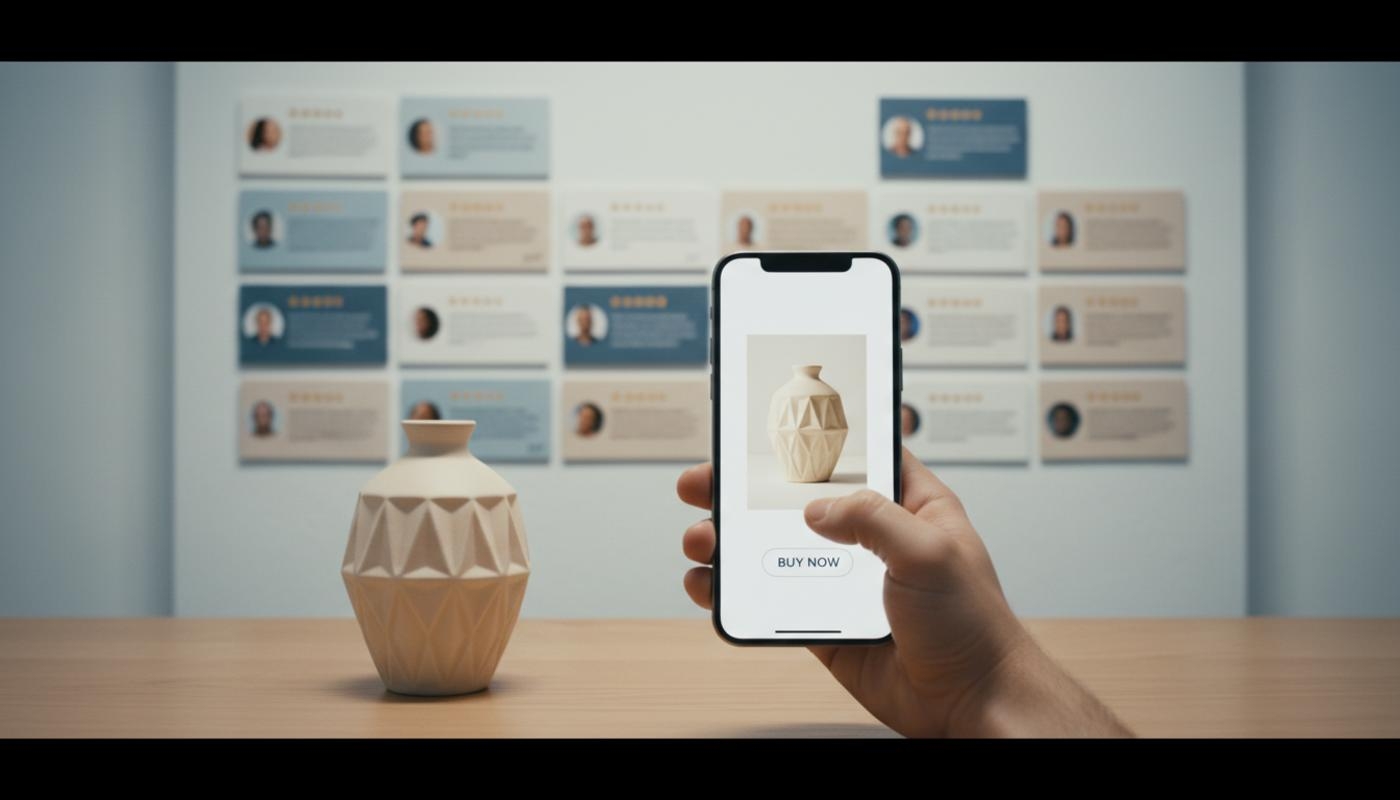
Social Proof
Social proof is evidence that other people have used, trusted, recommended or chosen a product, service or brand. It lifts conversions because it reduces uncertainty, makes your claims feel more believable and helps visitors feel safer taking the next step, whether that means buying, booking, subscribing or sending an enquiry.
Most people do not make decisions in isolation. They look for clues from reviews, testimonials, ratings, case studies, customer photos, recommendations and visible popularity signals, and when those clues feel genuine and relevant, they can turn hesitation into confidence.
The best social proof is not decoration. It answers a specific doubt at the exact point where a person is deciding what to do next, so a product review near a buying choice, a case study beside a pricing section or a testimonial next to an enquiry form can be far more persuasive than proof hidden at the bottom of a page.
C2 Marketing helps businesses use social proof as part of a wider digital strategy, from stronger website messaging and conversion focused page design to SEO, PPC, social media and copywriting that builds trust before visitors are asked to convert.
What Is Social Proof?
Social proof is a psychological shortcut people use when they are unsure what to do. If they see that others have had a good experience, they are more likely to believe that they may have a good experience too.
In marketing, this usually appears as customer reviews, star ratings, testimonials, case studies, user generated content, awards, customer numbers and referrals. The key point is that social proof comes from the behaviour, opinion or approval of other people, rather than from the brand alone.
A brand saying 'we are excellent' is making a claim. A verified customer explaining how the product helped them is social proof because it comes from outside the brand's own voice.
Social Proof Versus Trust Signals
Social proof and trust signals often work together, but they are not exactly the same thing. Social proof shows what other people did or experienced, while trust signals show that a business is safe, legitimate or professionally credible.
Reviews, testimonials and customer photos are social proof, while secure payment icons, privacy notices, returns policies and delivery guarantees are trust signals. Some elements sit between the two, such as awards, certifications and expert endorsements, because they show approval from a recognised outside party and can also act as authority signals.
The important thing is to use each signal honestly and make it easy for visitors to verify what is being claimed. Trust grows faster when proof is clear, accurate and placed where people need reassurance.
Why Social Proof Influences Conversions
Social proof improves conversions because it tackles perceived risk. A visitor may like your product, price or service but still wonder whether it will work, whether the quality is reliable or whether your business will be helpful if something goes wrong.
Genuine customer evidence gives people a clearer sense of what to expect. It also validates your messaging, so if your website says your service saves time, a testimonial explaining how a customer reduced admin each week makes that benefit more believable.
If your product page says an item fits true to size, detailed reviews from real buyers can help shoppers choose with more confidence. Relevance matters as much as volume, because a testimonial from someone with the same problem, industry, budget or lifestyle often carries more weight than a vague quote from a well known name.
People want to know whether a solution works for someone like them, not just whether it works in general. This is especially important for ecommerce, SaaS, professional services and high value purchases, where customers cannot touch the product, meet the team or see the full outcome before paying.
The Main Types Of Social Proof
Different types of social proof answer different questions. If you are not sure where to start, think about what your customers ask before they buy, then match the proof to that concern.
- Customer reviews and star ratings help buyers compare experiences, spot patterns and assess whether a product is right for them.
- Testimonials work best when they are specific, attributed and linked to a clear result.
- Case studies are powerful for B2B, SaaS, high value products and service businesses because they explain the challenge, process and result.
- User generated photos and videos show real world use, which is especially useful for fashion, interiors, beauty, fitness, food, travel and lifestyle products.
- Expert endorsements, press mentions, awards, partner logos, referral quotes, customer counts and community numbers can help when they are accurate and relevant.
A quote such as 'the team increased our enquiry quality within three months' is stronger than 'great service' because it gives context and outcome. Always get permission before using customer content, and avoid editing it so heavily that it loses authenticity.
How Social Proof Lifts Conversions Across The Funnel
Social proof works best when it matches the customer's stage of awareness. At the top of the funnel, visitors may simply want to know whether your brand is established and relevant, so press mentions, customer numbers, useful social content and recognisable client logos can help create early confidence.
During the consideration stage, people compare options and look for details. Reviews, testimonials, customer photos, comparison content and case studies help them understand whether your product or service suits their situation, and this is where detailed proof often beats broad popularity claims.
At the decision stage, visitors are looking for reassurance before they act. Verified reviews, clear returns information, support evidence, delivery details and concise testimonials near the call to action can reduce last minute doubt.
For a service business, placing a named testimonial beside an enquiry form can make the next step feel much easier. At checkout or sign up, social proof should be clear and calm, because aggressive pop ups or fake activity messages can interrupt the task and damage trust.
Where To Place Social Proof On A Website
The homepage should quickly show that your business is credible. A review score, customer logo strip, short testimonial or simple statement about who you help can give visitors an immediate trust cue, but it should stay concise because the homepage often serves several audiences at once.
Landing pages need proof close to the value proposition and main call to action. If the page is designed for a specific audience or campaign, the proof should match that audience, as a small business owner may respond better to a quote from another small business than to a large corporate logo that feels out of reach.
Product pages should place review summaries near the product information, not buried far below the buying area. Detailed reviews, image uploads, useful filters and answers to common questions can help customers make a faster decision, especially when those details address concerns such as sizing, fit, delivery or setup.
Pricing pages and enquiry forms are high friction areas, so proof here needs to be direct. Use outcome led testimonials, relevant case studies and reassurance about support or process, and if your website structure or user journey makes proof hard to find, improving the page experience through web design and development can make those trust cues much more effective.
How To Collect Authentic Social Proof
The best time to ask for a review is shortly after a meaningful customer experience. For ecommerce, that may be after delivery and initial use, while for SaaS it may be after onboarding or after a customer reaches a useful milestone.
For services, it may be once a clear result has been delivered. Asking for reviews can feel awkward, especially if you do not want to put pressure on your customers, so keep the process simple with a short form, clear prompts and an easy mobile experience.
Ask questions that draw out useful detail, such as what problem the customer wanted to solve, what changed after using the product or what nearly stopped them from buying. Always collect permission and attribution clearly, including whether you can use the customer's name, role, company, photograph or words in your marketing.
If you offer an incentive, ask for honest feedback rather than positive feedback, and disclose the incentive where needed. UK businesses should be especially careful with review authenticity, and the Competition and Markets Authority provides useful guidance on fake and misleading reviews for anyone who publishes, collects or displays customer feedback.
How To Use Negative Reviews Without Losing Trust
Negative reviews can feel uncomfortable, but removing every piece of criticism can make your proof look less believable. A perfect five star profile may raise questions if the product has been sold at scale, while balanced feedback often feels more credible because real customers have different priorities and expectations.
The way you respond matters, so keep replies calm, specific and helpful. A thoughtful response can show that your business listens and takes service seriously, while a defensive response can do the opposite, even if the original complaint was unfair.
Recurring complaints should also feed back into your product, service and page copy. If customers often mention sizing, delivery expectations or setup complexity, your website should address those points before people buy, turning feedback into a conversion asset rather than just a reputation issue.
How To Match Social Proof To Customer Doubts
Social proof lifts conversions most effectively when it answers a real objection. If the customer is asking whether it will work, use a case study with a measurable result, and if they are asking whether it will suit them, show reviews, photos or examples from similar customers.
If the doubt is whether they can trust your company, named testimonials, independent reviews, transparent policies and clear contact information can help. If the question is whether the price is justified, proof should focus on outcomes, long term value and quality rather than popularity alone.
Choosing which proof to show can feel confusing when you have lots of feedback available. A useful process is to identify the doubt, choose the relevant proof, place it beside the decision and test the outcome, which keeps social proof practical and stops pages becoming crowded with badges and quotes that look impressive but do not answer the visitor's real concern.
How To Test Social Proof And Conversion Rate
Testing matters because social proof does not create the same result for every business, product or audience. Start by defining the conversion event you care about, such as add to basket, completed purchase, demo request, form completion, trial activation or revenue per visitor.
Record your current performance before changing the page, then test one meaningful change at a time where possible. You might compare proof versus no proof, then test placement, wording, review length, customer segment or image use.
If several elements change at once, it becomes harder to know what caused the result. Track supporting metrics as well as the main conversion, including review engagement, call to action clicks, checkout starts, average order value, return rate and lead quality.
These details can reveal whether social proof is improving confidence or simply attracting more casual clicks. For a deeper testing process, testing can help you make decisions based on behaviour rather than guesswork.
Common Social Proof Mistakes
One common mistake is using generic, unattributed quotes that could apply to any business. 'Great service' is pleasant, but it does not explain what changed for the customer or why the reader should care.
Another mistake is placing proof too far from the decision point. A testimonial at the bottom of a long page may be missed by someone deciding whether to click the main button, so proof should sit close to the moment of hesitation.
Businesses also damage trust by using fake live sale notifications, inflated customer counts or misleading scarcity claims. These tactics may create short term curiosity, but they can reduce credibility if visitors sense manipulation.
Mobile experience is often overlooked too. Large review widgets, slow image galleries and intrusive pop ups can frustrate users on smaller screens, so social proof should be quick to scan, easy to expand and simple to use without blocking the path to purchase.
Final Thoughts
Social proof works because people want evidence before they commit. Reviews, testimonials, case studies and customer stories help visitors understand what others experienced, which makes your claims easier to believe and supports better buying decisions.
The strongest approach is simple. Find the customer's concern, choose proof that directly answers it, place that proof near the decision and measure what happens, while keeping every claim authentic, specific and easy to trust.
For growing businesses, social proof should be part of a joined up marketing strategy, not an afterthought. Take a fresh look at your own website journey and ask whether your best customer proof appears where people are making decisions, because when it sits alongside clear messaging, strong page design, useful content and reliable tracking, it can play a major role in turning visitors into customers.
Frequently Asked Questions
What Type Of Social Proof Works Best?
The best type depends on the customer's doubt. Reviews often work well for ecommerce, while detailed case studies are usually stronger for B2B, SaaS and high value services.
How Many Reviews Do You Need Before Social Proof Helps?
There is no universal number, because relevance, recency, detail and trustworthiness often matter as much as review volume. A smaller number of detailed, genuine reviews can still be useful if they answer the right concerns.
Does Social Proof Work For B2B Businesses?
Yes, but B2B buyers usually need more specific evidence. Case studies, named testimonials, implementation details and measurable outcomes are especially useful.
Can Social Proof Hurt Conversions?
Yes, it can hurt conversions if it feels fake, irrelevant, intrusive or inconsistent with the rest of the page. Poor quality proof can create doubt instead of reducing it.
Where Should You Place Testimonials?
Place testimonials close to important decisions, such as pricing sections, enquiry forms, product pages and landing page calls to action. The quote should match the concern the visitor is likely to have at that point.