
 Published By Jessica
 13rd July 2026
 10:42 AM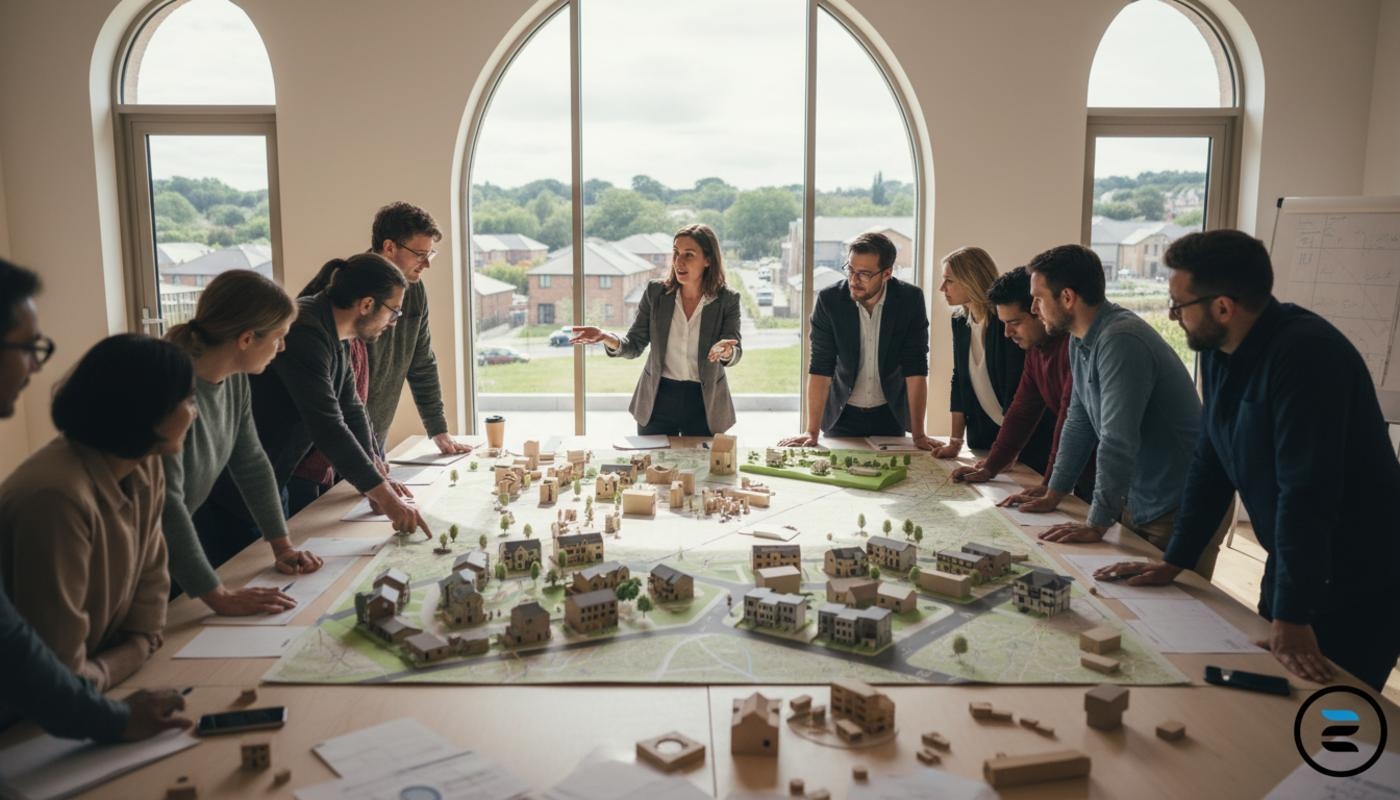
Community Planning And Development Explained
Community planning and development is about people working together to shape how a place grows and improves over time. It brings planning, which focuses on land use, infrastructure, and services, together with development, which looks at social, economic, and environmental wellbeing. The aim is to create places that are inclusive, sustainable, and genuinely supportive for the people who live there.
Rather than being led by a single authority, it is a shared effort. Residents, businesses, local councils, and community groups all contribute to decisions. This approach helps ensure plans reflect real needs instead of assumptions, which often leads to stronger long term outcomes.
You can see its impact in everyday life, from housing and transport to public spaces and local services. Whether it is regenerating a high street, improving green spaces, or supporting local businesses, it helps communities grow without losing their identity. For organisations that need to explain these ideas clearly, C2 Marketing helps turn complex messages into something people can easily understand.
How Community Planning And Development Works
In practice, community planning and development follows a structured but flexible process that brings people together to make informed decisions. It usually begins with understanding what already exists, including local challenges, opportunities, and resources. This stage relies on research, data, and direct community input, and it plays a key role in shaping everything that follows.
Once there is a clear picture, goals are defined. These may focus on improving housing, creating jobs, strengthening transport links, or protecting the environment. From there, detailed plans are created to show how those goals will be achieved and who is responsible for each step.
The next stage is implementation, where ideas are put into action through partnerships between councils, developers, and community groups. This can include new infrastructure, local initiatives, or business support schemes. Ongoing evaluation then ensures progress stays on track and adapts to changing needs.
Community Planning Vs Community Development
Although closely connected, these two terms are not the same. Community planning focuses on structure and organisation, including land use, policies, and long term strategy. It often involves technical expertise from planners and local authorities.
Community development, on the other hand, centres on people. It aims to improve quality of life by supporting local initiatives, strengthening connections, and encouraging participation. This might include education programmes, social projects, or support for small businesses.
When combined, they create a balanced approach. Planning sets direction, while development ensures people benefit from the outcomes. Together, they drive meaningful and lasting change.
Why Community Planning And Development Matters
Community planning and development directly shapes how people live, work, and interact with their surroundings. Without it, growth can become disorganised, leading to overcrowding, poor infrastructure, and limited access to essential services.
Well planned areas create better everyday experiences and support local economies by attracting investment and helping businesses grow. Places that are thoughtfully developed tend to be more appealing to both residents and visitors.
From an environmental perspective, it supports more sustainable choices. Protecting green spaces, reducing pollution, and encouraging energy efficient solutions all become easier with the right planning in place. If you want more background, this overview provides useful context.
Key Goals Of Community Planning And Development
At its core, community planning and development focuses on creating places that work well for everyone. While each area has different priorities, most initiatives share common goals that guide decision making and investment.
- Improving access to quality housing and essential services
- Supporting local economic growth and job creation
- Encouraging community engagement and participation
- Promoting environmental sustainability and green spaces
- Enhancing infrastructure such as transport and utilities
These goals are closely linked. For example, better transport can support local businesses, while improved public spaces can strengthen wellbeing and community connection.
Who Is Involved In The Process?
Community planning and development involves a wide range of stakeholders. Local authorities often lead the process, but successful outcomes depend on collaboration.
Residents are at the centre, as their input helps shape plans around real needs. Community groups and charities also play an important role by representing different voices and encouraging participation.
Businesses contribute by supporting economic growth and job creation, helping align plans with real world opportunities. For organisations communicating across these groups, professional copywriting can make communication clearer and more effective.
Main Stages Of Community Planning And Development
The process typically follows a series of stages, with each one building on the previous step. It starts with research and analysis, where data is gathered, challenges are identified, and community feedback is collected through surveys and consultations.
The next stage is planning, where clear goals are set and practical steps are outlined. This often includes timelines, budgets, and defined responsibilities to keep progress organised.
Implementation follows, turning plans into action. Resources are allocated, projects are delivered, and progress is monitored. Finally, evaluation measures what is working and what needs improvement, allowing plans to adapt over time.
Examples Of Community Planning In Action
Community planning and development can look very different depending on the location. In towns and cities, it often involves revitalising high streets through improved public spaces, better transport links, and support for local businesses.
In rural areas, the focus may shift to access to essential services such as healthcare, education, and transport. These improvements can reduce isolation and support long term sustainability.
Neighbourhood planning is another strong example, where residents work together to create a shared vision for their area. This can include decisions about housing, green spaces, and local facilities, giving communities more control over their future.
Benefits For Residents, Local Government, And Businesses
Community planning and development delivers clear benefits for everyone involved. Residents gain better living conditions, improved services, and a stronger sense of belonging within their area.
Local governments benefit by making more informed decisions and using resources more efficiently. When they understand community needs, planning becomes more effective and targeted.
Businesses also gain from improved infrastructure and increased footfall. A well planned environment creates the right conditions for growth, supporting both local economies and long term success.
Common Challenges And How To Overcome Them
Despite its benefits, community planning and development can face challenges. One of the most common is low engagement, where people feel unsure about how to get involved or doubt whether their input will make a difference.
Balancing different priorities is another difficulty, as not everyone will agree on what is most important. Clear and consistent communication helps manage expectations and build trust.
Limited resources, including time, funding, and expertise, can also slow progress. Working with the right partners and using data driven approaches can help overcome these obstacles and keep projects moving forward.
How To Get Involved In Community Planning
Getting involved does not require specialist knowledge. Local councils regularly run consultations, surveys, and public meetings where residents can share their views and influence decisions.
Joining a community group or neighbourhood forum is another effective way to take part. These groups often work closely with decision makers and can have a direct impact on local outcomes.
Businesses and organisations can also engage early in the process. This helps shape a local environment that supports both community needs and business goals.
Final Thoughts
Community planning and development brings together strategy, collaboration, and local insight to shape places that work for everyone. It ensures growth is managed in a way that supports both people and the environment.
When done well, the results are clear in stronger communities, better services, and places where people genuinely want to live and work. That is what makes it such an important part of long term local success.
Frequently Asked Questions
What is community planning and development in simple terms?
It is when people work together to improve their area through better planning, services, and opportunities.
Who is responsible for community planning and development?
It involves councils, residents, businesses, and community groups, with each playing a role in shaping decisions.
Why is community planning important?
It helps create better living conditions, supports economic growth, and encourages sustainable development.
How can residents get involved?
By taking part in consultations, attending meetings, or joining local groups and community projects.
What is the difference between planning and development?
Planning focuses on strategy and structure, while development focuses on improving people's quality of life.